Policy Priority Area
Create Safe & Connected Communities
Safe and connected communities begin with transportation systems that allow everyone, regardless of ZIP code, income, or physical ability, to move freely, safely, and efficiently
Mobility is the foundation of equitable access to jobs, education, healthcare, and daily essentials. Yet, too many communities face barriers like crumbling sidewalks, inadequate transit, and inaccessible infrastructure. Investments in multimodal, inclusive transportation networks, paired with thoughtful urban development and mixed income housing along existing and underused commercial corridors can help reduce fatalities, lower emissions, and ease cost burdens. This approach advances safer, more equitable, and livable urban environments by slowing down traffic, enhancing infrastructure for all users, and fostering a culture of safety and respect among all road users.
These infrastructure improvements, combined with integrated transportation services, seamless trip planning, electronic payment systems, and smart infrastructure can make our communities safer, more vibrant, resilient, and connected.

State Policy Goal: Safety
To provide for and improve the safety and security of transportation customers and the transportation system.
After historic lows, traffic fatalities have risen substantially over the past decade, with 2023 recording the highest number of fatalities since 1990, at 809 traffic deaths. While 2024 showed a modest reduction to 731 traffic deaths, no deaths are acceptable, and safer travel requires a holistic approach that considers how different components of the transportation network interact. By prioritizing safety at every level and elevating the needs of disproportionately impacted communities, we can move closer to the goal of a transportation system that protects all who rely on it.

Roundabouts in Walla Walla
Objectives
Make annual progress toward zero roadway fatalities by 2030
Adopt proven countermeasures and better integrate land use and transportation planning and improvements to reduce traffic crashes, especially for the most vulnerable road users.
Evaluate and advance new technology that enhances safety and helps reduce contributing factors to crashes
Leverage new data and tools to embed safety into transportation project planning, design, and operations.
Foster multi-agency and public-private partnerships
Collaborate to enhance emergency response, reduce vulnerabilities, and improve evacuation routes.
Safety Fact:
Traffic fatalities nearly doubled from 2013 to 2023, resulting in a 33-year high. This increase is attributed to several factors. Notably, speeding contributed to nearly 30% of fatal crashes. Vulnerable populations, such as members of Tribal Nations and pedestrians and bicyclists, are disproportionately affected.
In rural communities we must also ensure habitat connectivity to reduce crashes between the traveling public and wildlife, as wildlife-vehicle collisions are a common occurrence. Between 2019 and 2023, WSDOT reported removing nearly 40,000 wildlife carcasses from state highways alone, and wildlife vehicle collisions resulted in an average of over 150 serious injury or fatal crashes as well as many more collisions each year.
Strategies
Implement the Washington State Highway Safety Plan “Target Zero,” focusing on proven safety countermeasures that anticipate human error, and continue to measure and evaluate progress towards the goal of zero transportation fatalities by 2030.
Target Zero provides a comprehensive framework for reducing traffic fatalities and serious injuries, following the safe system approach of addressing multiple elements in safety, including safer land use, safer road users, safer vehicles, safer roads, safer speeds, and post-crash care. Consistent and rigorous implementation of evidence-based strategies, such as infrastructure improvements at high-crash locations identified in state, regional, and local safety plans, is crucial for achieving the ambitious goal of Target Zero. Regular monitoring and evaluation of progress will allow for adjustments and ensure accountability.
Pilot and apply emerging technologies across jurisdictions that improve the identification and assessment of safety risk areas, in an effort to create opportunities to reduce crashes and proactively address contributing factors.
Powerful algorithms can analyze vast datasets of crash records, roadway characteristics, and environmental factors to identify patterns and predict potential locations that might be missed through traditional analyses. This proactive approach allows for the early identification of opportunities for targeted deployment of safety improvements before crashes occur. By leveraging the power of AI, transportation agencies can make data-driven decisions to improve road safety and allocate resources more effectively.
Support the integration of fatal and severe crash data in land use and transportation plans to identify locations that help reduce future traffic crash exposure, likelihood, and severity.
Regional Safety Action Plans, which analyze crash data and recommend strategies for improvement, are a good example of how local and regional plans can utilize data to prioritize investments. As communities grow, changes in land use patterns can impact traffic volumes and pedestrian activity potentially increasing traffic volumes and conflicts. By sharing consistent crash data across jurisdictions, local, regional and state governments can proactively design safer streets and implement mitigation measures in areas prone to collisions. This integrated approach ensures that safety considerations are at the forefront of community development.
Support the efficient operation of vital lifeline facilities, including highways, bridges, roads, and transit systems that are important for the efficient and safe emergency evacuation of at-risk populations, with an emphasis on communities in flood zones and areas prone to wildfires.
Transportation arteries are essential for moving people to safety during natural disasters. Protecting their structural integrity, maintaining clear evacuation routes, and investing in resilient transit options are vital for protecting populations who live in vulnerable communities. Special attention should be paid to the unique challenges faced by communities in high-risk areas, such as developing redundant routes and improving communication systems to facilitate timely evacuation.
Increase access to comprehensive driver training, especially for young drivers, and expand requirements for people to continue their traffic safety education at key points throughout their driving years.
Comprehensive driver education that goes beyond the minimum requirements can equip new drivers with the skills and knowledge to navigate roadways safely. Washington state can modernize the current driver education program curriculum and exam as well as expand access and affordability of high-quality instruction. Ongoing refresher courses and updated safety information for experienced drivers can help reinforce safe driving habits and address emerging safety challenges. By investing in continuous driver education, we can cultivate a culture of safety on our roads.
Encourage rapid deployment of safety improvements in areas with high rates of collisions involving bicyclists and pedestrians, especially those in overburdened communities.
Lower-income communities often experience higher rates of pedestrian and bicycle crashes due to factors such as lower car ownership, inadequate bicycle and pedestrian infrastructure, and higher traffic volumes. Implementing quick and effective safety measures, such as installing high-visibility crosswalks, pedestrian signals, and protected bike lanes can have an immediate impact on reducing these collisions. Increasing collaboration with cities and prioritizing these rapid deployments in areas that need it most can provide immediate and sustained benefits.
Support mixed-use development and safety improvements on underutilized commercial arterial corridors and implement safety improvements that encourage slower speeds and smaller vehicle sizes.
Transforming underutilized arterial corridors into work, retail and housing hubs that are pedestrian-friendly and serve all modes can enhance safety for all users. Implementing protected bike lanes, wider sidewalks, pedestrian crossing improvements, and traffic calming measures like narrower lanes and curb design, can reduce the severity of collisions and encourage safer driving behaviors. Mixed-use development can also reduce the amount of driving by providing residents with local access to amenities.
Technology Spotlight:
Connected and Autonomous VehicleTechnology:Autonomous vehicle (AVs) and Connected vehicle (CV) technology, where vehicles and the infrastructure can “talk” to each other, will be a major milestone in the acceleration of increasing travel safety and efficiency. According to the National Highway Traffic Safety Administration (NHTSA), human error is a contributing factor in an estimated 94% of all vehicle crashes—a statistic that connected vehicles could help reduce. By 2040, autonomous vehicles could prevent nearly 585,000 crashes annually in the U.S.

State Policy Goal: Mobility
To improve the predictable movement of goods and people throughout Washington state, including congestion relief and improved freight mobility.
Investing to create seamless and accessible transportation networks fosters economic competitiveness, enhances community wellbeing, and promotes sustainable growth, making cities and regions more resilient and livable for future generations. A well-connected transportation system enables efficient movement of people and goods, supporting businesses, job access, and regional development. Reliable public transit, walkable communities, and multimodal options reduce congestion, lower emissions, and improve mobility for all, including overburdened populations. Accessibility ensures that individuals, regardless of ability or income, can reach jobs, education, healthcare, and essential services.
Objectives
Enhance the efficiency of our existing transportation systems
Optimize current infrastructure and operations to move people and goods more effectively and reduce delays.
Increase transit and active transportation mode share
Encourage the use of public transportation, walking, and cycling to decrease vehicle emissions and promote sustainability.
Make multimodal travel easy, safe, and convenient
Prioritize safety and leverage technology to provide more travel options.
Mobility Fact:
In Washington State, about 65% of commuters drive alone to work, and while travel choices are still evolving after the pandemic, driving alone is rebounding faster than other modes for commuting to work. In 2024, the number of people reporting driving solo to work in Seattle increased 6%, this represents the first upward trend in this type of commute in 10 years, according to the 2024 Seattle Commute Survey.
Strategies
Include first- and last-mile improvements as a part of local, regional, and statewide project planning to eliminate barriers to accessing public transportation.
These connections, such as sidewalks, bike lanes, and local shuttle services, are crucial for making public transit a convenient and accessible option for more people. Integrating them into the initial planning stages of larger transit projects ensures seamless transitions between different modes of transportation.
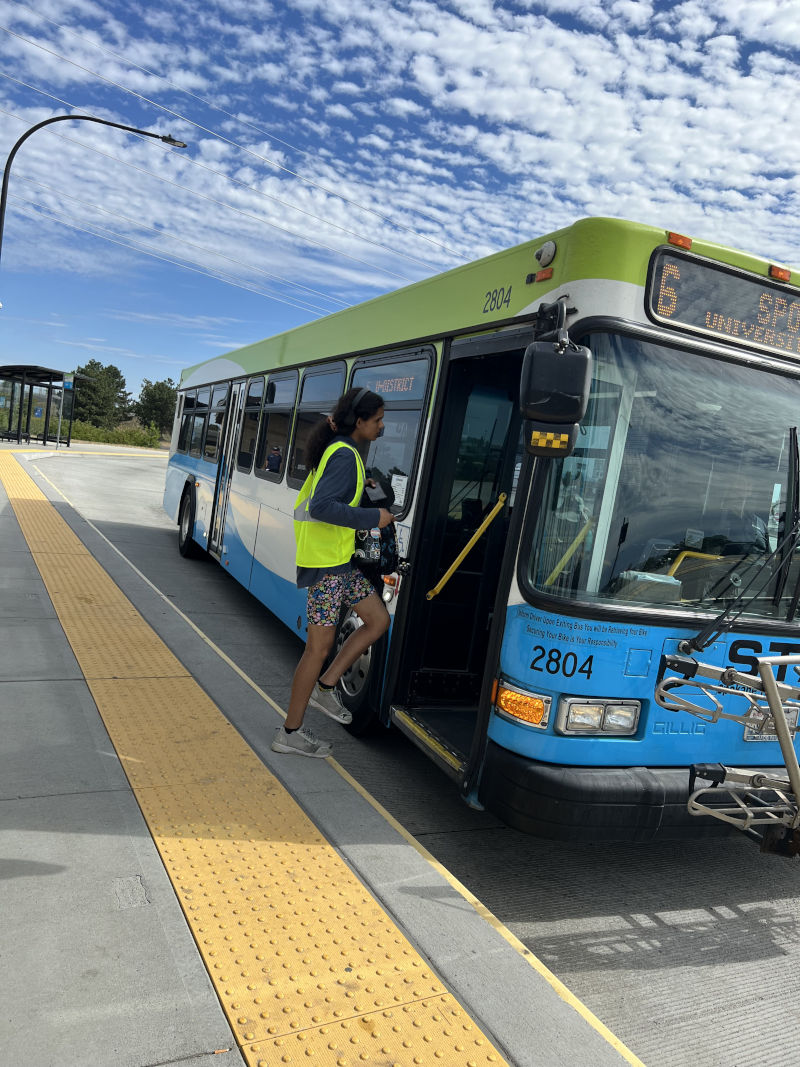
Ensuring multi-agency coordination and prioritizing investments in these often-overlooked elements can significantly increase public transit ridership and reduce reliance on single-occupancy vehicles, leading to lower emissions and improved community connectivity.
Support the establishment of a “one account” transportation payment system that is inclusive of various modes of transportation and services, including public transit, Washington State Ferries, tolling, road usage charging, parking, and mobility services providers.
An interoperable transportation payment system would greatly simplify the travel experience for residents and visitors alike. Enabling the use of mobile wallets, planning, booking, and paying for transportation services can be collapsed into one simple app that enables travelers to avoid having multiple accounts linked to debit/ credit cards. By enabling the use of wallets, travelers can pay for services using “cash” as opposed to setting up accounts. This seamless integration would encourage multimodal transportation and make it easier for people to plan and transact each trip, ultimately reducing system operational costs and increasing access.
Increase interagency coordination on state and federally funded corridor studies throughout the state to identify priority corridors, develop shared goals, and find solutions that meet multimodal performance objectives.
Enhanced collaboration among state, regional, local transportation agencies, and other partners can lead to more comprehensive and effective transportation planning. By establishing shared goals for safety, efficiency, and sustainability along key corridors, agencies can work together to identify the most impactful investments and avoid duplicative efforts. Clearly establishing performance objectives and metrics will ensure that funded projects advance state and local priorities. This coordinated approach will result in a more integrated and high-performing transportation network for the entire state.
Expand capabilities of Traffic Management Centers across the state that increase coordinated transportation operations, response coordination, traffic incident management, and future opportunities for systems maintenance.
These centers, currently located in Shoreline, Spokane, Tacoma, Vancouver, Wenatchee, and Yakima, are multijurisdictional partnerships and serve as critical hubs for monitoring traffic flow, detecting incidents, and coordinating emergency response. Investing in advanced technologies and increasing staffing levels, in addition to a base-level funding for ongoing operations, will allow for quicker identification and clearance of incidents, reducing delays and improving safety. Enhanced communication and collaboration between these centers and other agencies will also lead to a more efficient and coordinated statewide transportation management system.
Invest in passenger rail service aimed at enhancing the customer experience at rail stations, improving service reliability and frequency, and assessing opportunities for network and service expansion, including a future north/south high-speed corridor and additional east/west passenger rail service, while minimizing disruptions to freight rail.
Modernizing rail stations with better amenities and accessibility along with increasing the frequency and on-time performance of the existing Amtrak Cascades service will increase usage and provide a more reliable alternative to driving. Furthermore, exploring the feasibility of high-speed rail connections, like advancing the Cascadia Corridor High Speed Rail and exploring connecting eastern and western Washington, could transform intercity and regional travel, and provide significant economic and environmental benefits.
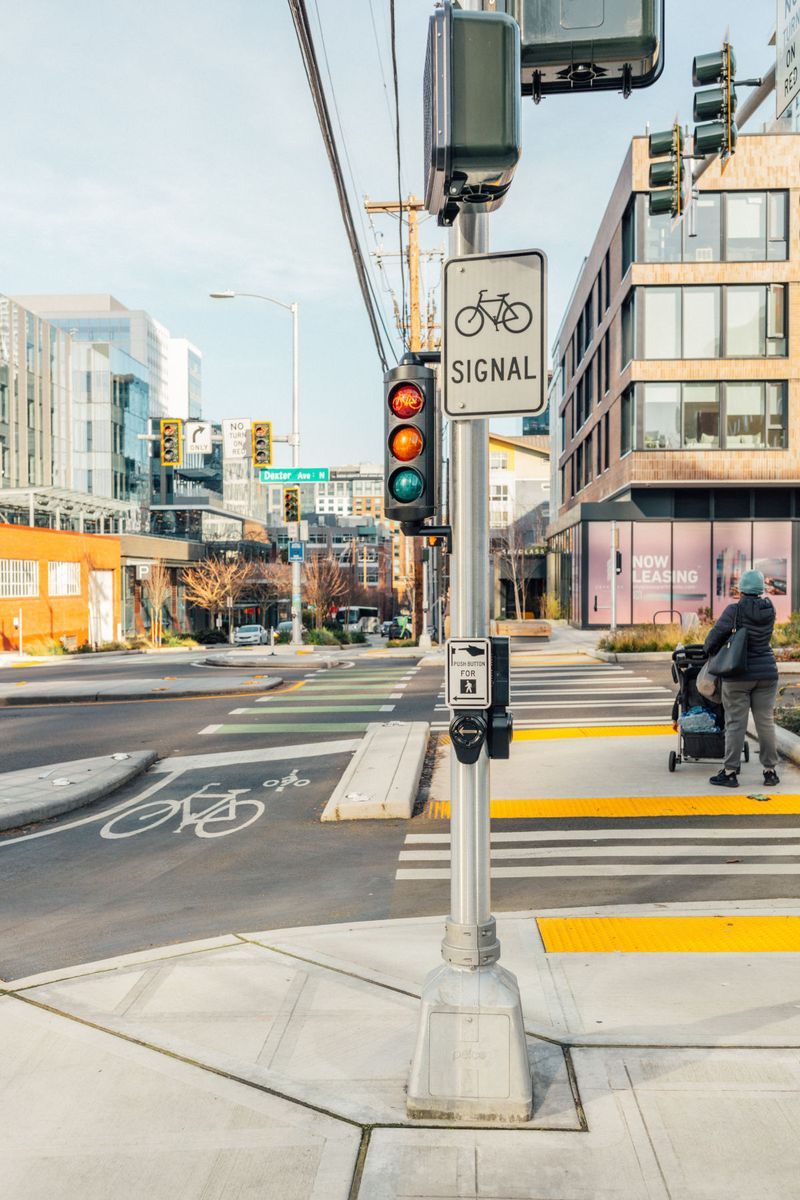
Coordinate plans for mixed-use and mixed income housing with investments in public and active transportation, especially on state and local commercial arterial corridors, to lower household transportation costs and reduce greenhouse gas emissions.
Creating walkable and bikeable communities with convenient access to public transit reduces the need for private vehicles. By strategically locating housing, jobs, and amenities along well-served transportation corridors, we can shorten commutes, decrease traffic congestion, and make it more affordable for residents to live and work. This integrated land use and transportation planning is essential for building sustainable and equitable communities.
Implement a proactive, performance-driven approach to managing urban transportation corridors by combining active traffic operations with strategic infrastructure investments.
This may include using active traffic management in less congested areas, adding lane capacity where congestion is severe, and conducting modal tradeoff analyses to prioritize investments that maximize vehicle throughput, accommodate growing travel demand, and minimize congestion across all modes.
Technology Spotlight
Various new and upgraded technologies are improving the mobility of Washingtonians:
Integrated Traffic Management
Regional traffic management centers, using systems powered by AI and real-time data analytics, can optimize traffic flow, reduce congestion, and improve travel times. By integrating adaptive traffic signals and collecting real-time data, cities can improve overall mobility.
Mobile Phones and Mobility Apps
Smartphones are revolutionizing the way we travel by providing widespread ability to seamlessly plan and pay for travel from ride sharing to public transit.
Ride-Hailing, Micro-Mobility, and Micro-Transit
Washington state has seen a surge in ride hailing services, micro-mobility solutions like e-scooters, and on-demand transit options. In cities like Seattle, these alternatives are helping to complement existing transit networks, with micro-mobility offering last mile solutions to and from transit hubs.
Goals & Stategies
Our Statewide Policy GoalsThe Road AheadAppendicesPolicy Priority Areas